Why the Pearl Snap Won
The button gave way to the snap because of a horse. A short history of the most copied detail in Western wear.
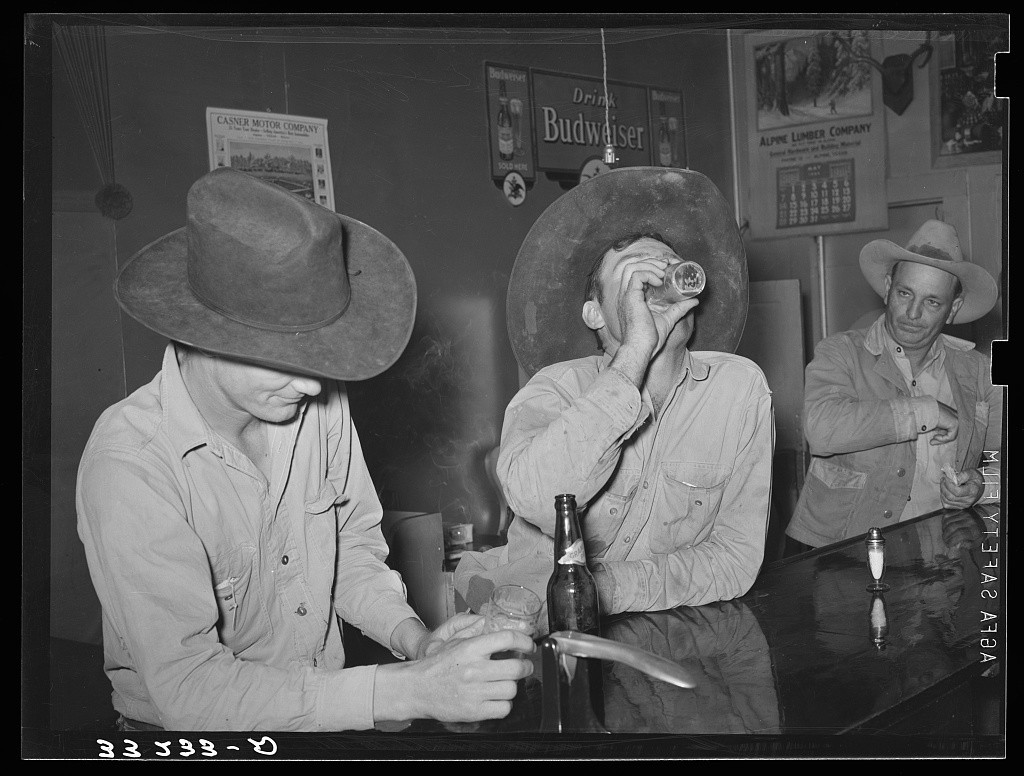
The story they tell about Jack Weil is the one you should know first. He was a salesman in Denver in the 1940s. He started Rockmount Ranch Wear in 1946. He died in 2008 at the age of 107, still at his desk on the morning of the day he died. By every account from people who knew him, he was an honest man.
He did not invent the pearl snap. But he is the person who made it standard.
The Problem
The problem the pearl snap solved was that buttons get caught on saddle horns.
That is the entire story. The whole one. You can dress it up however you want, but the actual operating logic of the Western shirt as a garment is that if a cowboy gets thrown from a horse and his shirt gets snagged on the horn, the snap pops open and he hits the ground in his undershirt instead of being dragged for half a mile.
Buttons require thread. Snaps require force. In the contest between thread and a sixteen-hundred-pound animal moving in the wrong direction, snaps are the better engineering.
The button gave way to the snap because of a horse.
The Aesthetic
Jack Weil understood the engineering. He also understood the aesthetic. The pearl part of the pearl snap was not functional. It was decorative. The shirts he sold had snaps that gleamed. Mother-of-pearl, mostly. Sometimes glass. The shirts looked like jewelry, which was the point. A working cowboy did not need a pretty shirt. A man who wanted to look like a working cowboy did.
Rockmount built the grammar of the Western shirt in the late forties and early fifties. Snap front. Yoke across the shoulders, front and back. Smile pockets with sawtooth flaps. Long, pointed collar. Western piping. By 1955, every Western shirt maker in the country was following Rockmount's lead, whether they admitted it or not.
The Wholesale Theft
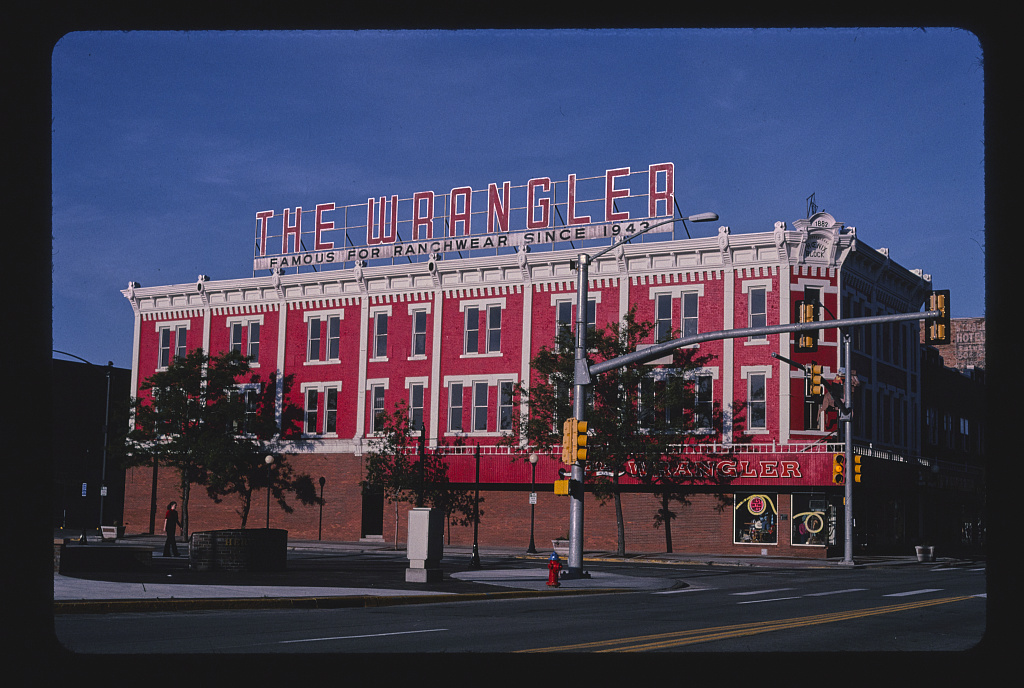
H Bar C of Texas knocked off the Rockmount silhouette in 1948. Lazy J followed. Karman by 1953. Wrangler picked up the format when they started making Western wear in the late forties. By the time Levi's launched their Western shirts in the sixties, the format was so established that nobody asked who started it.
Jack Weil did not sue. He kept selling shirts. The Rockmount shop at 1626 Wazee Street in Denver is still open. The building has not changed. The shirts are still made in the United States. They cost more than they did. They cost less than they should.
The Survival
The pearl snap survived three trends that should have killed it. The 1960s urban hippie cowboy moment, which Rockmount dismissed publicly and quietly sold a lot of shirts to. The 1970s urban cowboy moment, which Rockmount tolerated. The 1980s Marlboro cowboy moment, which made the shirts ubiquitous and almost ruined them.
What saved the pearl snap was that the people who actually rode horses kept buying it because it was the right shirt for riding horses. The cycle that almost destroyed it was tourism. The cycle that always brought it back was use.
Now
Walk into a green room at Bridgestone Arena on a Wednesday in November. You will see twelve men. Eight of them will be wearing pearl snaps. Some of those eight are wearing Rockmount. Some are wearing custom shirts from a Nashville maker whose name you do not know yet but will. One of them is wearing a vintage Karman from 1974 that he bought at a flea market in Austin and had altered by a tailor in Atlanta.
The two men who are not wearing pearl snaps are wearing button-fronts because they want to be different. In ten years, when the men in pearl snaps are wearing something else, the two men in button-fronts will be wearing pearl snaps.
That is how the pearl snap won. Not by being the loudest detail in Western wear. By being the one that came back every time.
The editorial voice of country and Western fashion. Written by the editors of Boot & Brim.
The Cowboy Carter Ledger
Beyonce's country album dropped in March 2024. Here is the ledger on what it did to the closet, eighteen months in.
The Last Tailor of Lower Broad
Manuel Cuevas is ninety-three. He still cuts every suit himself. A morning in the workshop with the man who made country music wear its clothes.
The Tecovas Question
Two hundred and fifty million dollars in revenue. A SoHo flagship. A target of one billion by 2030. What happened when the cowboy boot got an MBA.